
The Destruction of the Library of Alexandria

PART II

The End of the Library of Alexandria and the Martyrdom of Hypatia

Konstantinos Konstantinidis – Amphiktyon

The Destruction of the Library of Alexandria

During the siege of Alexandria in 48 BC, Julius Caesar ordered that the ships in the harbor be set on fire. However, the Library was not destroyed at that time, as it continued to operate for a considerable period afterward.

During the third century AD, civil conflicts broke out in Roman Alexandria, causing extensive damage to the city and probably to the Library as well. Nevertheless, the Library continued to function.

It is historically documented that in AD 391 Emperor Theodosius I issued decrees against the pagan temples, the Olympic Games, the Greek philosophical schools, and, according to the author’s view, against the repositories of the ancient pagan tradition. In implementation of the imperial decree, Theophilus of Alexandria destroyed the Serapeum, where an annex of the Library was housed.

In AD 415 came the horrific murder, following brutal torture, of the Greek philosopher and teacher of astronomy Hypatia.

The Martyrdom of Hypatia

According to the historian Socrates Scholasticus, a mob of fanatical Christians, led by the reader Peter,

  • seized Hypatia as she was returning home,
  • dragged her to the Caesareum,
  • murdered her with extreme brutality,
  • dismembered her body,
  • and finally burned her remains.

Socrates Scholasticus, himself a Christian historian, explicitly condemned this atrocity and wrote that it brought great disgrace upon Cyril and upon the Church.

Cyril as the Moral Instigator of Hypatia’s Murder

 “Cyril bears the political and moral responsibility for the murder of Hypatia. Although no direct evidence has survived that he issued a written order for her execution, the fanatical mobs that acted under his influence carried out his wishes. The atmosphere of hostility and hysteria directed against Hypatia, which he had fostered, contributed decisively to the philosopher’s tragic death.”

Who Was Bishop Cyril of Alexandria?

Cyril succeeded his uncle, Theophilus of Alexandria, as Bishop of Alexandria in AD 412. He played a leading role in the Christological controversies of his time and presided over the Third Ecumenical Council, held at Ephesus in AD 431. He was later proclaimed a Saint and Doctor of the Church by both the Eastern Orthodox and the Roman Catholic Churches.

The Significance of the Event

The murder of Hypatia has acquired profound symbolic significance and is frequently regarded as:

  • the end of an era in the Greek philosophical tradition of Alexandria;
  • a dramatic confrontation between political power and religious fanaticism;
  • a symbol of the suppression of free thought.

According to the author’s interpretation, from that period onward religious authority came to dominate much of the Arab world, albeit in different forms from one country to another. He argues that this achieved its intended purpose: the suppression of free intellectual inquiry for many centuries.

Even today, no one has officially asked forgiveness for   one of humanity’s greatest cultural catastrophes.

Amphiktyon

Major General (Ret.) Konstantinos Konstantinidis
Author – Member of the Society of Greek Writers

Amphiktyon Blog: http://www.amphiktyon.blogspot.com

Amphiktyon Official Site: http://www.amphiktyon.org

During the siege of Alexandria in 48 BC, Julius Caesar ordered that the ships in the harbor be set on fire. However, the Library was not destroyed at that time, as it continued to operate for a considerable period afterward.

During the third century AD, civil conflicts broke out in Roman Alexandria, causing extensive damage to the city and probably to the Library as well. Nevertheless, the Library continued to function.

It is historically documented that in AD 391 Emperor Theodosius I issued decrees against the pagan temples, the Olympic Games, the Greek philosophical schools, and, according to the author’s view, against the repositories of the ancient pagan tradition. In implementation of the imperial decree, Theophilus of Alexandria destroyed the Serapeum, where an annex of the Library was housed.

In AD 415 came the horrific murder, following brutal torture, of the Greek philosopher and teacher of astronomy Hypatia.

The Martyrdom of Hypatia

According to the historian Socrates Scholasticus, a mob of fanatical Christians, led by the reader Peter,

  • seized Hypatia as she was returning home,
  • dragged her to the Caesareum,
  • murdered her with extreme brutality,
  • dismembered her body,
  • and finally burned her remains.

Socrates Scholasticus, himself a Christian historian, explicitly condemned this atrocity and wrote

ΜΕΡΟΣ Β’

 Το Τέλος της Αλεξανδρινής Βιβλιοθήκης και το Μαρτύριο της Υπατίας

Κωνσταντίνος Κωνσταντινίδης – Αμφικτύων

Η καταστροφή της Βιβλιοθήκης της Αλεξάνδρειας

Κατά την πολιορκία της Αλεξάνδρειας, ο Ιούλιος Καίσαρας, το 48 π.Χ., διέταξε να καούν τα πλοία στο λιμάνι. Ωστόσο, η Βιβλιοθήκη δεν καταστράφηκε τότε, αφού συνέχισε να λειτουργεί για αρκετό ακόμη διάστημα.

Τον 3ο αιώνα μ.Χ.,  συνέβησαν εμφύλιες συγκρούσεις στη ρωμαϊκή Αλεξάνδρεια, προκλήθηκαν σοβαρές ζημιές στην πόλη και πιθανόν και στη Βιβλιοθήκη , αλλά και πάλι η Βιβλιοθήκη συνέχισε την λειτουργία της

Είναι ιστορικά τεκμηριωμένο ότι το 391 μ.Χ. ο αυτοκράτορας  Θεοδόσιος Α΄εξέδωσε διάταγμα  κατά των ειδωλολατρικών Ναών, των Ολυμπιακών Αγώνων, των Ελληνικών φιλοσοφικών Σχολών και κατά τωνΒιβλιοθηκών . Εις εκτέλεση του αυτοκρατορικού Διατάγματος ο    Θεόφιλος Αλεξανδρείας κατέστρεψε το Σεραπείο, όπου στεγαζόταν παράρτημα της Βιβλιοθήκης.

Το 415 μ.Χ. συνέβη και η ειδεχθής δολοφονία, έπειτα από βασανιστήρια, της Ελληνίδας φιλοσόφου και καθηγήτριας αστρονομίας Υπατίας.

 Το μαρτύριο της Υπατίας

Σύμφωνα με τον ιστορικό Σωκράτη τον Σχολαστικό, ομάδα φανατικών χριστιανών, με επικεφαλής τον αναγνώστη Πέτρο:

  • την άρπαξε ενώ επέστρεφε στο σπίτι της,
  • τη μετέφερε στο Καισάρειον,
  • τη δολοφόνησε με εξαιρετική αγριότητα,
  • στη συνέχεια διαμέλισε και έκαψε τα λείψανά της.

Ο Σωκράτης ο Σχολαστικός, ο οποίος ήταν χριστιανός ιστορικός, καταδικάζει ρητά την πράξη και αναφέρει ότι προκάλεσε μεγάλη δυσφήμηση στον Κύριλλο και στην Εκκλησία.

Κύριλλος ο ηθικός εκτελεστής της Υπατίας

 « Ο  Κύριλλος φέρει την πολιτική και ηθική ευθύνη για τη δολοφονία της Υπατίας. Αν και δεν έχει διασωθεί άμεση απόδειξη ότι εξέδωσε γραπτή  εντολή για τη δολοφονία. Τα φανατικά στίφη που είχε ο ίδιος  εξαπολύσει εκτελούσαν τις εντολές του. Επομένως  το κλίμα  υστερίας κατά της Υπατίας  που είχε δημιουργήσει συνέβαλε καθοριστικά στην τραγική δολοφονία της φιλοσόφου»

Ποιος ήταν ο Επίσκοπος Κύριλλος Αλεξανδρείας ;

Διαδέχθηκε τον θείο του Θεόφιλο Αλεξανδρείας το 412 μ.Χ.;

  • διαδραμάτισε πρωταγωνιστικό ρόλο στις χριστολογικές διαμάχες της εποχής,
  • προήδρευσε ουσιαστικά στη Γ΄ Οικουμενική Σύνοδος,
  • ανακηρύχθηκε αργότερα άγιος και Διδάσκαλος της Εκκλησίας από την Ορθόδοξη και τη Ρωμαιοκαθολική Εκκλησία.

 Η σημασία του γεγονότος

Η δολοφονία της Υπατίας έχει αποκτήσει συμβολικό χαρακτήρα και συχνά παρουσιάζεται ως:

  • το τέλος μιας εποχής της ελληνικής φιλοσοφικής παράδοσης στην Αλεξάνδρεια,
  • σύγκρουση μεταξύ πολιτικής εξουσίας και θρησκευτικού φανατισμού, Από τότε στον Αραβικό κόσμο επικράτησε η  κυριαρχία της θρησκείας μέχρι σήμερα με παραλλαγές για κάθε χώρα

Αυτός ήταν ο σκοπός τους και επετεύχθη   για αρκετούς αιώνες η φίμωση της ελεύθερης σκέψης

Και ακόμη ουδείς ζήτησε συγγνώμη για την πολιτιστική  καταστροφή της ανθρωπότητας

 Αμφικτύων Υποστράτηγος ε.α. Κωνσταντίνος Κωνσταντινίδης

Συγγραφέας – Μέλος της Εταιρείας Ελλήνων Λογοτεχνών

Amphiktyon Blog: http://www.amphiktyon.blogspot.com

Amphiktyon Official Site: http://www.amphiktyon.org

TO THE HERO OF CULTURE, SPARTAKOS PATERAKIS

The sorrowful news of the passing of a great and distinguished Greek struck like a bolt from the blue. He was a man who left an indelible mark on his lifetime by stirring the ashes of Greek history and prehistory in order to reveal the true spiritual wealth of Hellenism.

Spartakos Paterakis was a modern Hero of Culture, and as such he deserves to be honored by both the Greek State and our Nation.

Facebook: https://www.facebook.com/paterakis.spartakos?locale=el_GR

When he had gathered enough fuel, he lit the “Fryktories” (Beacon Fires), like a modern Homer, to spread their messages and their light to a Hellenism that had remained immersed in oblivion for centuries.

Our glorious Nation, which bestowed upon humanity philosophy, science, literature, democracy, and civilization, was driven into spiritual darkness for seventeen centuries by primitive materialistic forces. During this long period of oblivion, only a few intellectual pioneers, such as Spartakos Paterakis, undertook the difficult mission of awakening the Greek spirit. Together with a small but determined group of associates, they dedicated themselves to the re-Hellenization of Greeks and Philhellenes who had become estranged from their historical and cultural roots.

His work through the “Fryktories” was invaluable. It became a shining beacon in an age when the world appears to be drifting toward confusion, moral decay, civilizational decline, and perhaps even a nuclear Armageddon.

Within this remarkable body of work, he preserved priceless treasures of our race. It is as though he created a spiritual ark of Greek memory, so that even if a future global catastrophe were to destroy everything, as long as the archive of the “Fryktories” survived, the Greek spirit could rise again, like the mythical Phoenix.

We bid farewell with profound sorrow and boundless respect to this spiritual hero, Spartakos Paterakis, founder and soul of the Television and Internet Network “Fryktories,” a noble Greek patriot who devoted his life to promoting Greek history, philosophy, and civilization.

Spartakos was an invaluable servant of the Nation, and his absence will be deeply felt for many years to come.

Through his broadcasts he offered a platform to researchers, writers, scholars, and men and women of letters, bringing to light ideas and initiatives that might otherwise have remained unknown. At the same time, he offered hope and inspiration to Hellenism throughout the world, especially to Greeks of the Diaspora.

He departed suddenly this morning, leaving behind an irreplaceable void in the world of Hellenism and culture.

We extend our deepest condolences to his family and loved ones.

His work will remain alive. It will continue to accompany us, inspire us, and illuminate future generations.

May Spartakos now dwell in the Elysian Fields, beside the Gods, the Demigods, and the Heroes, where all those who dedicated their lives to virtue, truth, and civilization rightfully belong.

May the soil of Greece rest lightly upon him.

Amphiktyon
Major General (Ret.) Konstantinos Konstantinidis
Author – Member of the Society of Greek Writers

Amphiktyon Blog: http://www.amphiktyon.blogspot.com

Amphiktyon Official Site: http://www.amphiktyon.org

ΣΤΟΝ ΗΡΩΑ ΣΠΑΡΤΑΚΟ ΠΑΤΕΡΑΚΗ

Έπεσε σαν κεραυνός εν αιθρία η θλιβερή είδηση της απώλειας ενός μεγάλου και σημαντικού Έλληνα, ενός ανθρώπου που άφησε ανεξίτηλο αποτύπωμα στη ζωή του, αναμοχλεύοντας τα αποκαΐδια της ελληνικής ιστορίας και προϊστορίας, για να αναδείξει τον αληθινό πνευματικό πλούτο του Ελληνισμού.

Ο Σπάρτακο Πατεράκη υπήρξε ενας σύγχρονος  Ηρωας του Πολιτισμού και σαν τέετοιος πρέπει να τιμηθεί από την Πολιτεία και το Εθνος μας

https://www.facebook.com/paterakis.spartakos?locale=el_GR,

Όταν συγκέντρωσε αρκετό προσάναμμα, άναψε τις «Φρυκτωρίες», σαν ένας νέος Όμηρος, για να μεταδώσει τα μηνύματα και το φως σε έναν Ελληνισμό που για αιώνες παρέμενε βυθισμένος στη λήθη.

Το ένδοξο Έθνος μας, που χάρισε στην ανθρωπότητα τη φιλοσοφία, την επιστήμη,τα γράμματα, τη δημοκρατία και τον πολιτισμό, οδηγήθηκε επί δεκαεπτά αιώνες σε πνευματικό σκοτάδι από πρωτόγονες υλιστικές δυνάμεις. Μέσα σε αυτή τη μακρά περίοδο λήθης, λίγοι πνευματικοί εργάτες, όπως ο Σπάρτακος Πατεράκης, ανέλαβαν το δύσκολο έργο της αφύπνισης. Μαζί με μια ολιγομελή αλλά αποφασισμένη ομάδα έθεσαν ως σκοπό τον επανελληνισμό των Ελλήνων και των φιλελλήνων που είχαν απομακρυνθεί από τις ιστορικές και πολιτισμικές τους ρίζες.

Το έργο του μέσα από τις «Φρυκτωρίες» υπήρξε ανεκτίμητο. Αποτέλεσε έναν φωτεινό φάρο σε μια εποχή όπου ο κόσμος φαίνεται να οδηγείται στη σύγχυση, στην ηθική σήψη, στην παρακμή και ίσως ακόμη και στον πυρηνικό Αρμαγεδδώνα.

Μέσα στο πολύτιμο αυτό έργο έχει διαφυλάξει ανεκτίμητους θησαυρούς της φυλής μας. Είναι σαν να έχει καταθέσει μια πνευματική κιβωτό της ελληνικής μνήμης, ώστε ακόμη και αν μια μελλοντική παγκόσμια καταστροφή αφανίσει τα πάντα, εφόσον διασωθεί το έργο των «Φρυκτωριών», να μπορέσει να αναγεννηθεί, όπως ο μυθικός Φοίνικας, το ελληνικό πνεύμα.

Αποχαιρετούμε με βαθύτατη θλίψη και απέραντο σεβασμό τον πνευματικό αυτόν ήρωα, τον Σπάρτακο Πατεράκη, ιδρυτή και ψυχή του Τηλεοπτικού και Διαδικτυακού Σταθμού «Φρυκτωρίες», έναν σπουδαίο Έλληνα ευπατρίδη, που αφιέρωσε τη ζωή του στη διάδοση της ιστορίας, της φιλοσοφίας και του ελληνικού πολιτισμού.

Ο Σπάρτακος υπήρξε πολύτιμος για το Έθνος και η απουσία του θα γίνει αισθητή για πολλά χρόνια.

Με τις εκπομπές του έδωσε βήμα σε ερευνητές, συγγραφείς και ανθρώπους του πνεύματος, προβάλλοντας δράσεις και ιδέες που διαφορετικά θα έμεναν άγνωστες. Παράλληλα, πρόσφερε φως και ελπίδα στον απανταχού Ελληνισμό, ιδιαίτερα στους Έλληνες της Διασποράς.

Έφυγε ξαφνικά σήμερα το πρωί, αφήνοντας πίσω του ένα δυσαναπλήρωτο κενό στον χώρο του Ελληνισμού και του πολιτισμού.

Εκφράζουμε τα θερμότερα συλλυπητήριά μας στην οικογένεια και στους οικείους του.

Το έργο του θα παραμείνει ζωντανό και θα συνεχίσει να μας συνοδεύει, να μας εμπνέει και να φωτίζει τις επόμενες γενιές.

Ο Σπάρτακος θα φιλοξενηθεί πλέον στα Ηλύσια Πεδία, δίπλα στους Θεούς, στους Ημίθεους και στους Ήρωες, εκεί όπου ανήκουν όσοι αφιέρωσαν τη ζωή τους στην υπηρεσία της αρετής και του πολιτισμού.

Ας είναι ελαφρύ το χώμα της ελληνικής γης που θα τον σκεπάσει.

 Αμφικτύων Υποστράτηγος ε.α. Κωνσταντίνος Κωνσταντινίδης

Συγγραφέας – Μέλος της Εταιρείας Ελλήνων Λογοτεχνών

Amphiktyon Blog: http://www.amphiktyon.blogspot.com

Amphiktyon Official Site: http://www.amphiktyon.org

ΜΕΡΟΣ Α

 Η Ελληνιστική Αίγυπτος και η Χρυσή Εποχή των Πτολεμαίων

Κωνσταντίνος Κωνσταντινίδης – Αμφικτύων

Ο Μέγας Αλέξανδρος το 332 π.Χ. ελευθέρωσε την Αίγυπτο οριστικά από τον περσικό ζυγό και ανακηρύχθηκε στη Μέμφιδα Φαραώ. Ο ιερέας του μεγάλου ναού του μαντείου του Άμμωνος Διός, στην όαση της Σίβα, τον προσφώνησε υιό του Διός. Ο Αλέξανδρος έχτισε την Αλεξάνδρεια, η οποία έμελλε να γίνει η πρώτη πόλη του κόσμου κατά τη μετέπειτα ιστορία.

Τη σχεδίασε ο ίδιος δυτικά του Νείλου, στη μικρή ελληνική πόλη Ρακώτιδα, δημιουργώντας δύο μεγάλα και ασφαλή λιμάνια στο εσωτερικό της στενόμακρης λωρίδας γης που ένωνε το νησί Φάρος, μπροστά από το Δέλτα, με την ξηρά.

Το 331 π.Χ. ο Μέγας Στρατηλάτης συνέχισε την εκστρατεία του στην Ασία. Ο Κλεομένης από τη Ναύκρατι ανέλαβε την οικονομική και διοικητική αναδιάρθρωση της Αιγύπτου. Το 323 π.Χ., μετά τον θάνατο του Αλεξάνδρου, η μεγάλη αυτοκρατορία, που έφθανε έως την Ινδία, μοιράστηκε σε ελληνικά βασίλεια με Έλληνες βασιλείς.

Στην Αίγυπτο βασίλευσε ο Πτολεμαίος Α΄, γιος του Λάγου από τη Μακεδονία. Στα χρόνια μετά το 305 π.Χ. έγιναν πολλές συγκρούσεις μεταξύ των στρατηγών που βασίλευαν στην Αίγυπτο, την Παλαιστίνη και την Ασία. Ο Πτολεμαίος Α΄ ήλεγχε την Αίγυπτο, την Κύπρο, την Κυρήνη και μέρος της Παλαιστίνης.

Το 284 π.Χ. ανέλαβε ως συγκυβερνήτης ο Πτολεμαίος Β΄ ο Φιλάδελφος, γιος του Πτολεμαίου Α΄, και το 282 π.Χ. ως μόνος κυβερνήτης. Ο Πτολεμαίος Β΄, μαζί με τη σύζυγό του (και αδελφή του) Αρσινόη Β΄, αναδημιούργησαν το μεγάλο κράτος της Αιγύπτου, αναπτύσσοντας τη γεωργία, τη βιοτεχνία, το εμπόριο, την οικονομία και τη διοίκηση.

Με γοργό ρυθμό άρχισαν να ανθίζουν τα γράμματα και οι τέχνες. Δημιούργησαν πανεπιστήμια και διάφορες σχολές, και η Αίγυπτος, με πρωτεύουσα την Αλεξάνδρεια, έγινε το πνευματικό κέντρο του κόσμου. Επιστήμονες, σοφοί και καλλιτέχνες από την Αθήνα, τη Μεγάλη Ελλάδα της Νοτίου Ιταλίας, τα ελληνικά βασίλεια της Ασίας (Περσία, Βακτριανή, Παλαιστίνη, Μικρά Ασία, Πόντος) και από ολόκληρο τον ελληνικό κόσμο συγκεντρώθηκαν εκεί.

Σημαντικά έργα της εποχής των Πτολεμαίων Α΄ και Β΄

  1. Ο Ναός των Μουσών, κέντρο επιστημονικών σπουδών.
  2. Το Μουσείο, κέντρο έρευνας, διάσωσης και διάδοσης του ελληνικού πολιτισμού. Εκεί εργάστηκαν σπουδαίοι διανοούμενοι, όπως ο αστρονόμος Κόνων ο Σάμιος, ο Ίππαρχος από τη Νίκαια της Βιθυνίας, ο Απολλώνιος από την Πέργη της Παμφυλίας, ο γιατρός Ηρόφιλος από τη Χαλκηδόνα, ο Ερασίστρατος από την Κέα, οι φιλόσοφοι Ζηνόδοτος από την Έφεσο, Αρίσταρχος από τη Σαμοθράκη, Αριστοφάνης από το Βυζάντιο, ο ποιητής Καλλίμαχος από την Κυρήνη κ.ά.
  3. Η Μεγάλη Βιβλιοθήκη της Αλεξάνδρειας. Την ίδρυσε ο Πτολεμαίος Α΄ ο Σωτήρ, που βασίλευσε από το 306 έως το 283 π.Χ. Η ιδέα της ίδρυσής της ανήκε στον Δημήτριο τον Φαληρέα, ο οποίος υπήρξε και ο πρώτος διευθυντής της. Άλλοι αξιόλογοι διευθυντές υπήρξαν ο Ζηνόδοτος από την Έφεσο, ο Καλλίμαχος, ο Ερατοσθένης και ο Απολλώνιος ο Ρόδιος.

Υπήρξε η μεγαλύτερη βιβλιοθήκη του αρχαίου κόσμου, με περίπου 700.000 τόμους, παπύρους και περγαμηνές. Στην Αλεξάνδρεια δίδαξαν ή σπούδασαν ο μαθηματικός και γεωμέτρης Ευκλείδης, ο ποιητής Θεόκριτος, ο γεωγράφος και αστρονόμος Κλαύδιος Πτολεμαίος, ο εφευρέτης, μαθηματικός και μηχανικός Ήρων, καθώς και οι θρησκευτικοί διδάσκαλοι Κλήμης ο Αλεξανδρεύς και Ωριγένης.

  1. Η διάνοιξη της διώρυγας που συνέδεσε τον Νείλο με την Ερυθρά Θάλασσα.
  2. Η Μετάφραση των Εβδομήκοντα (ή των Εβδομήκοντα Δύο) της Παλαιάς Διαθήκης, ώστε οι απόγονοι του Ιωσήφ, που δεν γνώριζαν άλλη γραφή και ανάγνωση πέρα από την ελληνική, να μπορούν να μελετούν τις Γραφές.

Μετά από αυτούς βασίλευσαν:

  • Πτολεμαίος Γ΄ ο Ευεργέτης (246–222 π.Χ.)
  • Πτολεμαίος Δ΄ ο Φιλοπάτωρ (222–205 π.Χ.)
  • Πτολεμαίος ΣΤ΄ ο Φιλομήτωρ (180–145 π.Χ.)
  • Πτολεμαίος Η΄ ο Ευεργέτης (145–116 π.Χ.)
  • Κλεοπάτρα Γ΄ και Πτολεμαίος Θ΄ ο Σωτήρ (116–81 π.Χ.)
  • Πτολεμαίος ΙΒ΄ ο Αυλητής (80–51 π.Χ.)
  • Κλεοπάτρα Ζ΄ η διάσημη και Πτολεμαίος ΙΓ΄ (51–30 π.Χ.)

Σχολιασμός

  1. Δεν βρέθηκε τυχαία στην Αίγυπτο η μακεδονική δυναστεία των Πτολεμαίων. Πριν από αυτούς, οι περισσότερες δυναστείες των Φαραώ ήταν, κατά την άποψη του συγγραφέα, Έλληνες ή Αιγύπτιοι ελληνικής καταγωγής, όπως θα αναπτύξουμε προσεχώς.
  2. Και όμως, εγκαταλείψαμε όλον αυτόν τον πολιτιστικό δεσμό με την Αίγυπτο, καθώς και με όλες τις χώρες της Ανατολής, σαν να μην ήταν δικός μας, ελληνικός, από τα βάθη της προϊστορικής εποχής. Μήπως έφταιξε το ακατανόητο  «ανήκομεν στην Δύση» ενώ είμαστε η καρδιά της Δύσης;(9/7/26)

3.      Amphiktyon
Major General (Ret.) Konstantinos Konstantinidis
Author – Member of the Society of Greek Writers

4.      Amphiktyon Blog: http://www.amphiktyon.blogspot.com
Official Website: 
http://www.amphiktyon.org
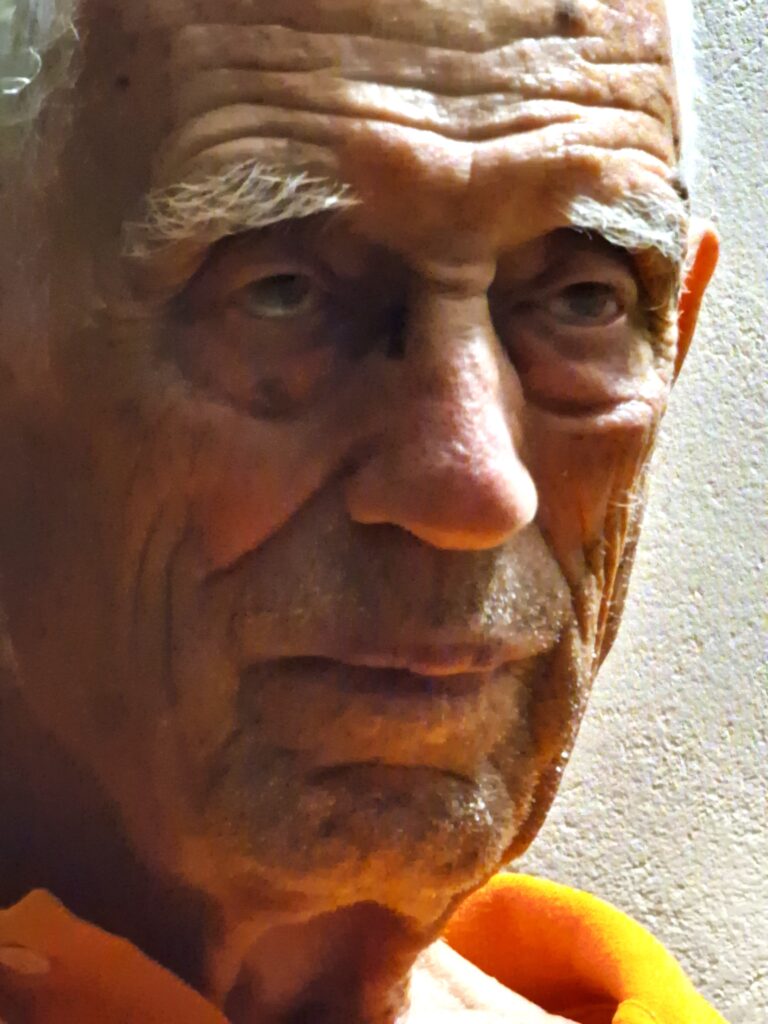
Turkey’s “Order-Takers”

Konstantinos Konstantinidis – Amphiktyon

These days, Ankara is being transformed into an international arms marketplace. Thirty-two heads of state, heads of government, and senior officials are gathering to conclude multi-billion-euro agreements on weapons systems and defense technologies.

The very leaders who proclaim every day that they are defending democracy, human rights, and international law are rushing to arm a country that continues to maintain occupation forces in Cyprus, threatens Greece with casus belli, challenges Israel, questions international treaties, restricts political freedoms, and imprisons political opponents.

Profit recognizes neither friends nor principles. In its pursuit of profitability, capitalism is constantly seeking new markets. The famous saying attributed to Karl Marx—that “the capitalist will even sell the rope with which he will be hanged”—seems more relevant today than ever.

History offers instructive examples. After the Second World War, the reconstruction of Europe and Japan created future economic competitors for the United States. Likewise, the transfer of technology to China contributed to its emergence as a technological and industrial superpower that now competes directly with the West.

Something similar may well happen with Turkey.

Today, Western countries are transferring advanced weapons systems, technological expertise, and industrial co-production capabilities to Ankara. The United States is providing support through the F-35 program and engines for the sustainment of the F-16 fleet. The United Kingdom is cooperating through the Eurofighter program and naval projects. Italy is contributing through its defense and aerospace industries. Spain is engaged in partnerships for the construction of major naval combat vessels. France is supplying advanced missile systems. Many other European countries are also competing for a share of a defense market worth billions of euros.

Turkey, however, is not merely buying weapons. It is acquiring know-how. And whoever acquires know-how will, sooner or later, seek to produce independently.

This is precisely Ankara’s long-term objective: to build a self-sufficient and powerful defense industry capable not only of meeting its own military requirements but also of exporting advanced weapons systems worldwide.

Today, foreign companies are going to Ankara to sell. Tomorrow, they may well return as customers of a new competitor whose rise they themselves helped to create. At the same time, they are doing business with a country that has contributed little to the Western Alliance while consistently pursuing a policy of balancing between opposing geopolitical camps.

Strategic thinking cannot be confined to the next balance sheet or the next electoral cycle. It must look two or even three decades ahead.

Turkey appears to be planning with a generational horizon, guided by the doctrines of the “Blue Homeland” and President Erdoğan’s vision of the “Borders of the Heart.” Europe, by contrast, too often thinks within the horizon of a four-year political term.

History teaches that empires do not collapse solely because of their enemies. Quite often, they arm their own future rivals.

Amid this geopolitical transformation, Greece continues to occupy the same historical position it has held for centuries: at the southeastern frontier of Europe and the Eastern Mediterranean, serving as a breakwater against the turbulence of the wider region. This makes strategic foresight and national vigilance even more essential if Greece is to address any advantages that its neighboring country may gain.

Perhaps the time has come to speak openly.

8 July 2026

Amphiktyon

Major General (Ret.) Konstantinos Konstantinidis
Author – Member of the Society of Greek Writers

Amphiktyon Blog: http://www.amphiktyon.blogspot.com

Official Website: http://www.amphiktyon.org

ΟΙ «ΠΑΡΑΓΓΕΛΙΟΔΟΧΟΙ» ΤΗΣ ΤΟΥΡΚΙΑΣ

Κωνσταντίνος Κωνσταντινίδης – Αμφικτύων

Η Άγκυρα μετατρέπεται αυτές τις ημέρες σε διεθνές εμπορικό κέντρο εξοπλισμών. 32 Αρχηγοί κρατών, κυβερνήσεων και κορυφαίοι αξιωματούχοι συρρέουν για να κλείσουν συμφωνίες δισεκατομμυρίων ευρώ σε οπλικά συστήματα και αμυντική τεχνολογία.

Οι ίδιοι που διακηρύσσουν καθημερινά ότι υπερασπίζονται τη δημοκρατία, τα ανθρώπινα δικαιώματα και το διεθνές δίκαιο, σπεύδουν να εξοπλίσουν μια χώρα που εξακολουθεί να διατηρεί στρατεύματα κατοχής στην Κύπρο, απειλεί την Ελλάδα με το casus belli, αμφισβητεί το Ισραήλ .τις διεθνείς συνθήκες, περιορίζει πολιτικές ελευθερίες και φυλακίζει πολιτικούς αντιπάλους.

Το κέρδος δεν γνωρίζει φίλους ούτε αρχές. Ο καπιταλισμός, για να διατηρήσει την κερδοφορία του, αναζητά διαρκώς νέες αγορές. Η περίφημη φράση που αποδίδεται στον Καρλ Μαρξ, ότι «ο καπιταλιστής θα πουλήσει ακόμη και το σχοινί με το οποίο θα κρεμαστεί», μοιάζει σήμερα πιο επίκαιρη από ποτέ.

Η ιστορία προσφέρει διδακτικά παραδείγματα. Μετά τον Β΄ Παγκόσμιο Πόλεμο, η ανοικοδόμηση της Ευρώπης και της Ιαπωνίας δημιούργησε μελλοντικούς οικονομικούς ανταγωνιστές των Ηνωμένων Πολιτειών. Η μεταφορά τεχνογνωσίας προς την Κίνα συνέβαλε στην ανάδειξή της σε τεχνολογική και βιομηχανική υπερδύναμη, η οποία σήμερα ανταγωνίζεται ευθέως τη Δύση.

Κάτι ανάλογο ενδέχεται να συμβεί και με την Τουρκία.

Σήμερα η Δύση μεταφέρει στην Άγκυρα προηγμένα οπλικά συστήματα, τεχνογνωσία και βιομηχανικές συμπαραγωγές:

  • Οι Ηνωμένες Πολιτείες με τα F-35 και κινητήρες για την υποστήριξη για τα F-16.
  • Η Βρετανία με τα Eurofighter και ναυτικά προγράμματα.
  • Η Ιταλία μέσω της αμυντικής της βιομηχανίας. Και αεροναυπιγικής
  • Η Ισπανία με συνεργασίες στη ναυπήγηση μεγάλων πολεμικών μονάδων.
  • Η Γαλλία με προηγμένα πυραυλικά συστήματα.
  • Και πολλές ακόμη ευρωπαϊκές χώρες που διεκδικούν μερίδιο από μια αγορά δισεκατομμυρίων.

Η Τουρκία, όμως, δεν αγοράζει μόνο όπλα. Αγοράζει τεχνογνωσία. Και όποιος αποκτά τεχνογνωσία, αργά ή γρήγορα επιδιώκει να παράγει μόνος του.

Αυτό ακριβώς αποτελεί τον μακροπρόθεσμο στόχο της Άγκυρας: η δημιουργία μιας αυτάρκους και ισχυρής αμυντικής βιομηχανίας, ικανής όχι μόνο να καλύπτει τις δικές της ανάγκες αλλά και να εξάγει οπλικά συστήματα διεθνώς.

Σήμερα οι ξένες εταιρείες πηγαίνουν στην Άγκυρα για να πουλήσουν. Αύριο δεν αποκλείεται να επιστρέψουν ως πελάτες ενός νέου ανταγωνιστή που οι ίδιες συνέβαλαν να δημιουργηθεί. Και συναλλάσσονται με μια χώρα που τίποτα δεν προσέφερε στη Δυτική Συμμαχία καθώς πλέει πάνω  σε δύο βάρκες

Η πολιτική σκέψη δεν μπορεί να περιορίζεται στον επόμενο ισολογισμό ούτε στον επόμενο εκλογικό κύκλο. Οφείλει να βλέπει δύο και τρεις δεκαετίες μπροστά.

Η Τουρκία φαίνεται να σχεδιάζει με ορίζοντα γενεών με την «Γαλάζια πατρίδα» και τα «Σύνορα της καρδιάς του κ. Ερνογάν

 Η Ευρώπη, αντίθετα, συχνά σκέφτεται με ορίζοντα τετραετίας.

Η ιστορία διδάσκει ότι οι αυτοκρατορίες δεν καταρρέουν μόνο από τους εχθρούς τους. Συχνά εξοπλίζουν μόνες τους τους μελλοντικούς ανταγωνιστές τους.

Και μέσα σε αυτή τη γεωπολιτική μεταβολή, η Ελλάδα εξακολουθεί να βρίσκεται στην ίδια ιστορική θέση που κατέχει επί αιώνες: στο νοτιοανατολικό άκρο της Ευρώπης και της Ανατολικής Μεσογείου , ως  κυματοθραύστης  απέναντι στις αναταράξεις της ευρύτερης περιοχής. Αυτό καθιστά ακόμη πιο αναγκαία τη στρατηγική διορατικότητα και την εθνική εγρήγορση για να  αντιμετωπίσει τα τυχόν πλεονεκτήματα που θα επιτύχει η γείτονα. Μήπως ήρθε η ώρα να τα πούμε ανοιχτά;  (8/7/26)

Amphiktyon
Major General (Ret.) Konstantinos Konstantinidis
Author – Member of the Society of Greek Writers

Amphiktyon Blog: http://www.amphiktyon.blogspot.com
Official Website: http://www.amphiktyon.org
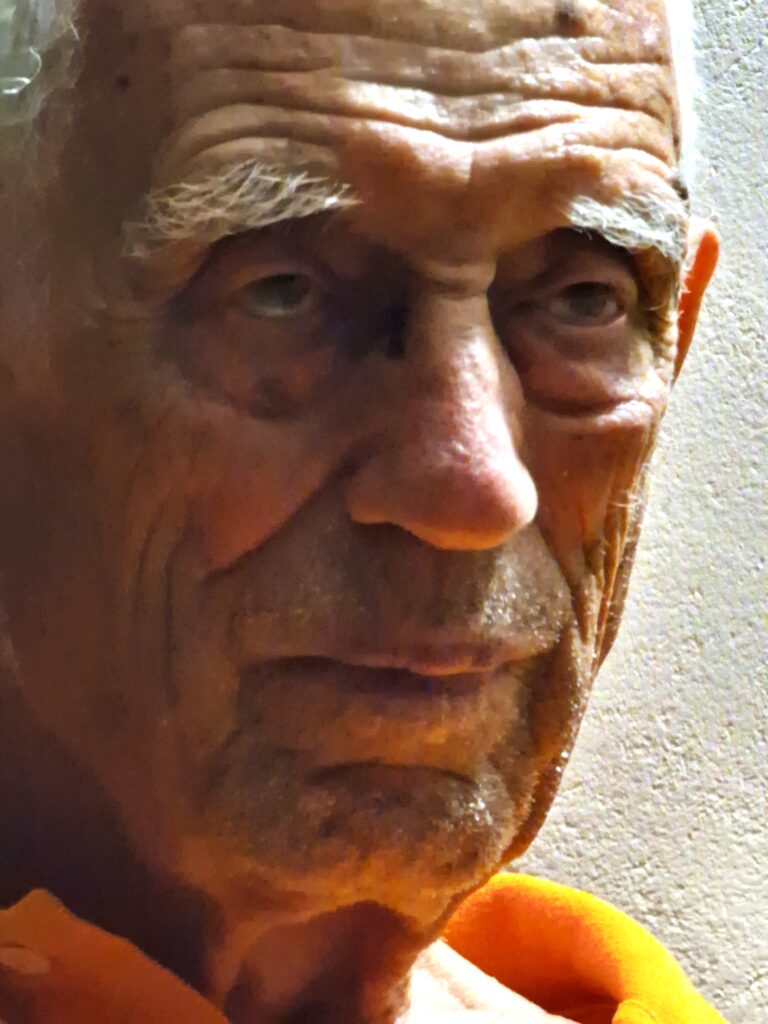
THE END OF FAIR PLAY?

Konstantinos Konstantinidis – Amphiktyon

The report that FIFA reviewed and suspended the red-card sanction imposed on U.S. footballer Folarin Balogun, following political intervention by President Donald Trump, has sparked not only concerns about the independence of sports justice but also a deeper question: Who ultimately governs sport—the rules of the game, political power, or violent hooligans armed with Molotov cocktails?

When Emperor Theodosius I abolished the ancient Olympic Games, history remembered him as the ruler who brought an end to one of humanity’s oldest institutions. Today, there is no need to abolish sporting competitions, for they have become immensely profitable. It is enough to abolish the impartiality of their rules.

The moment political authority—or any powerful interest—is able to influence the outcome of a match or overturn a sporting sanction, fair play ceases to be a fundamental principle and becomes nothing more than an empty slogan.

For the ancient Greeks, the athlete stood alone before his opponent. No one could intervene on his behalf or influence the judges. Victory or defeat depended solely upon his own strength, discipline, and virtue. No political authority could overturn a referee’s decision, nor could anyone purchase more favorable rules. Equality before the law of the contest was the very soul of the Olympic ideal.

The judges of Olympia swore an oath before Zeus, protector of the Olympic sanctuary, that they would judge impartially and incorruptibly—and they honored that oath.

If, however, sporting authorities begin to yield to political influence or economic interests, then athletes will no longer rely solely on talent, training, discipline, and character. They will need powerful political patrons, financial influence, and business alliances. Victory will no longer be the reward of merit but the product of shameful bargaining.

Modern sport is already under assault from violence, fanaticism, hooliganism, and excessive commercialization. If public confidence in the equal application of the rules is also lost, then sporting competition will cease to be a genuine contest. It will become a spectacle in which the winner is not the best athlete, but the most powerful.

If such developments become acceptable, it is not merely a rule that is abolished. It is the very morality of sport that is destroyed. And when fair play dies, stadiums cease to be arenas of honorable competition and risk becoming, at least metaphorically, modern Roman arenas—or even jungles—where it is no longer virtue that triumphs, but the power of the strong.

7 July 2026

Amphiktyon
Major General (Ret.) Konstantinos Konstantinidis
Author – Member of the Society of Greek Writers

Amphiktyon Blog: http://www.amphiktyon.blogspot.com
Official Website: http://www.amphiktyon.org

ΤΕΡΜΑ ΤΟ «ΕΥ ΑΓΩΝΙΖΕΣΘΑΙ»;

Κωνσταντίνος Κωνσταντινίδης – Αμφικτύων

Η πληροφορία ότι η FIFA επανεξέτασε και ανέστειλε την ποινή της κόκκινης κάρτας που είχε επιβληθεί στον ποδοσφαιριστή Φόλαριν Μπαλογκάν, έπειτα από πολιτική παρέμβαση του κ. Ντόναλντ Τραμπ, προκάλεσε όχι μόνο αντιδράσεις για την ανεξαρτησία της αθλητικής δικαιοσύνης, αλλά και έναν βαθύτερο προβληματισμό: ποιος κυβερνά τελικά τον αθλητισμό, οι κανόνες  , η πολιτική ισχύς ή οι χούλιγκαν με τα μολότωφ;

Όταν ο αυτοκράτορας Θεοδόσιος Α΄ κατήργησε τους αρχαίους Ολυμπιακούς Αγώνες, έμεινε στην ιστορία  ως ο καταστροφέας ενός  πανάρχαιου  θεσμού. Σήμερα δεν χρειάζεται να καταργηθούν οι αγώνες γιατί είναι κερδοφόροι . Επομένως αρκεί να καταργηθεί η αμεροληψία των κανόνων τους. Από τη στιγμή που μια πολιτική εξουσία ή ένας ισχυρός μπορεί να επηρεάζει την τύχη ενός αγώνα ή μιας ποινής, το «ευ αγωνίζεσθαι» παύει να είναι θεμελιώδης αρχή και μετατρέπεται σε κενό σύνθημα.

Για τους αρχαίους Έλληνες, ο αθλητής ήταν μόνος απέναντι στον αντίπαλό του, κανείς δεν μπορούσε να τον βοηθήσει ή να επηρεάσει τους κριτές και στη συνείδησή του. Νικούσε ή έχανε με τις δικές του δυνάμεις. Κανείς δεν μπορούσε να μεσολαβήσει για να αλλάξει την απόφαση των κριτών, κανείς δεν μπορούσε να εξαγοράσει ευνοϊκότερους κανόνες. Η ισότητα απέναντι στον νόμο του αγώνα αποτελούσε την ψυχή του αθλητικού.ιδεώδους. Τότε οι κριτές ορκίζονταν στον Δία προστάτη της Ολυμπίας ότι θα είναι αμερόληπτοι και αδέκαστοι και το τηρούσαν.

Αν, όμως, οι αποφάσεις των αθλητικών αρχών αρχίσουν να υποχωρούν μπροστά στην πολιτική επιρροή ή στα οικονομικά συμφέροντα, τότε ο αθλητής δεν θα χρειάζεται μόνο προπόνηση, ταλέντο και ήθος. Θα χρειάζεται ισχυρούς πολιτικούς προστάτες, οικονομικά κέντρα και επιχειρηματικές συμμαχίες. Και τότε το έπαθλο της νίκης  ΔΕΝ  θα είναι καρπός άμιλλας αλλά προϊόν αισχρής  συναλλαγής.

Ο αθλητισμός ήδη δοκιμάζεται από τη βία, τον φανατισμό, τον χουλιγκανισμό και την εμπορευματοποίηση. Αν χαθεί και η εμπιστοσύνη ότι οι κανόνες ισχύουν το ίδιο για όλους, τότε δεν θα μιλάμε πλέον για αθλητικούς αγώνες αλλά για μια παράσταση όπου νικητής δεν θα είναι ο καλύτερος, αλλά ο ισχυρότερος.

Αν όλα αυτά είναι αποδεκτά, τότε δεν καταργείται απλώς ένας κανόνας. Καταργείται η ίδια η ηθική του αθλητισμού. Και όταν πεθαίνει το «ευ αγωνίζεσθαι», τα γήπεδα παύουν να είναι χώροι άμιλλας και κινδυνεύουν να μετατραπούν, έστω μεταφορικά, σε σύγχρονες ρωμαϊκές αρένες, και ζούγκλα ,  όπου ΔΕΝ θριαμβεύει η αρετή αλλά η δύναμη  του ισχυρού  (7/7/26)

 Αμφικτύων Υποστράτηγος ε.α. Κωνσταντίνος Κωνσταντινίδης

Συγγραφέας – Μέλος της Εταιρείας Ελλήνων Λογοτεχνών

Amphiktyon Blog: http://www.amphiktyon.blogspot.com

Amphiktyon Official Site: http://www.amphiktyon.org

GREECE AT A CRITICAL CROSSROADS

Konstantinos Konstantinidis – Amphiktyon

I do not concern myself with the sterile competition among political parties for power, which I consider futile, at a time when the country and its people are facing entirely different problems.

Nevertheless, I consider it the duty of every responsible citizen to express publicly his opinion on the course of the country, especially when, as today, it stands at a critical crossroads:

  • Shall it descend the left-wing and dead-end path, leading to the chaos of new bailout memoranda?
  • Or shall it continue its upward course with renewed vigor and renewed courage, after first correcting its major mistakes?

The reorganization of the entire Left has now found the opportunity to exploit the mistakes and the fatigue of the electorate caused by the Mitsotakis governments, and above all the electorate’s shift toward the political center and the Left. Although it has governed for the past seven years without any substantial opposition, it has committed major errors and omissions, such as:

a) The disgraceful law on same-sex marriage.

b) The policy of “calm waters” with Turkey, as well as the failure to extend Greece’s territorial waters to 12 nautical miles, together with other shortcomings in our foreign policy.

c) The enormous increases in the prices of basic goods compared with those paid by other European citizens.

d) Immigration, through the opening of our borders, with the result that the country has become a place of refuge for every third-world immigrant, especially Muslims, without limits.

e) The housing crisis, which prevents young couples from starting a family.

f) The inability to attract high-technology companies.

g) The inability to undertake a global cultural campaign.

h) The many major scandals, particularly during the latest Mitsotakis administration, which have irreparably damaged our country’s international image, among others.

None of these constitute characteristics of the political movement itself, namely New Democracy, which ideologically is in a stronger position than the Left. Rather, they are mistakes and weaknesses of the Mitsotakis governments.

In view of the above, I believe that both the political movement and, more generally, the country need a new leader in order to correct the mistakes of the past and continue Greece’s upward course.

In my opinion, the most suitable leader today to continue the country’s upward course and to rescue it from the chaos of a left-wing adventure is Mr. Antonis Samaras, since he is a dynamic, honest, distinguished, and ardent patriot who would enjoy better access to the White House.

If Mr. Mitsotakis possessed greater patriotism and less partisan prejudice, he should hand over the leadership, through a New Democracy party congress, to Mr. Samaras, Mr. K. Karamanlis, or any other person elected by the congress, so that the country’s upward course may continue.

How this replacement and the renewal of New Democracy’s dynamic course should take place is not my concern; it is a matter for New Democracy and the Greek people.

Greece must not return to the most sinful period of its past, because that would amount to national suicide. The leaders of the Right should come to an understanding and assume their responsibilities toward Greece.

(6 July 2026)

Amphiktyon
Major General (Ret.) Konstantinos Konstantinidis

Author – Member of the Society of Greek Writers

Amphiktyon Blog: http://www.amphiktyon.blogspot.com

Amphiktyon Official Site: http://www.amphiktyon.org